Source greaseproof three dimensional popcorn bag for food, agriculture, business
Compare 19 greaseproof three dimensional popcorn bag options from verified Chinese manufacturers. These laminated bags feature heat seals, barrier properties, and customizable sizes for food, agriculture, and business applications.
Key considerations
Products List


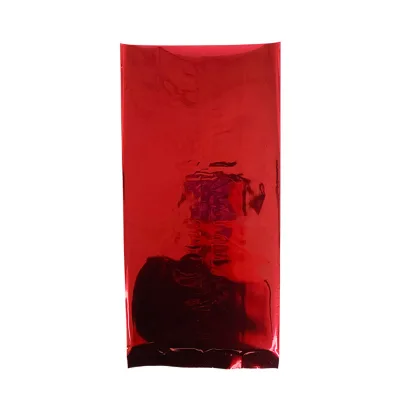


Comprehensive Sourcing Guide
Strategic Sourcing Guide for Greaseproof Three-Dimensional Popcorn Bags
Understanding Product Specifications and Material Architecture
When sourcing greaseproof three-dimensional popcorn bags, buyers must first establish a clear understanding of the technical specifications that define product performance. The core of this product category relies heavily on the material structure, which typically involves a composite packaging approach. The observed data indicates that these bags often utilize a laminated structure, specifically combining materials such as BOPP (Biaxially Oriented Polypropylene), Aluminum foil (AL), and PE (Polyethylene). This multi-layer architecture is critical for achieving the necessary greaseproof and barrier properties required to contain hot popcorn and its accompanying oils without degradation.
The physical dimensions of the bag are a primary specification variable. While standard sizes observed in the market include specific measurements like 285140100mm or 28514095mm, other listings suggest a broader range of sizes such as 1015 cm, 1216 cm, 1525 cm, 2030 cm, and 25*35 cm. Buyers should verify that the supplier can accommodate the specific volumetric requirements of their popcorn volume, as the three-dimensional shape, often described as a square bottom bag or upright bag, dictates the final capacity. The thickness of the material is another crucial technical parameter, with observed ranges falling between 0.12 mm and 0.16 mm. This thickness directly correlates to the bag's durability and its ability to maintain structural integrity during the filling process.
The manufacturing process for these bags is typically a composite packaging method, which may include surface handling techniques like hot stamping or pad printing. The sealing mechanism is predominantly heat seal, ensuring an airtight closure that preserves freshness. For popcorn applications, the inclusion of a valve is a common feature, allowing for nitrogen flushing to extend shelf life. The printing capabilities are extensive, with options for up to 10 colors, solid color prints, or full-color designs. Buyers must confirm that the printing mode, whether screen printing or pad printing, aligns with their brand's visual identity requirements while ensuring the ink used is safe for food contact.
Compliance, Certification, and Food Safety Standards
Food safety compliance is non-negotiable when sourcing packaging for edible products like popcorn. The supply chain must demonstrate adherence to rigorous international and regional standards. Observed certifications for these products include FDA approval, SGS testing, and QS certification, which are essential for verifying that the materials do not leach harmful substances into food. Furthermore, specific listings indicate compliance with EU standards, ISO9001 for quality management, and FSSC22000 for food safety management systems. These certifications are not merely marketing claims but are critical indicators of a supplier's commitment to maintaining a controlled production environment.
Buyers must also consider the specific regulatory requirements of their target market. While some suppliers may hold FSC (Forest Stewardship Council) certification, this should be treated as a low-confidence background fact and verified directly with the manufacturer rather than assumed. The material grade is another compliance factor; observed data suggests the use of Grade A materials, which implies a high standard of raw material quality. The industrial use classification for these bags often includes food, agriculture, and business sectors, reinforcing the need for food-grade validation.
When evaluating a supplier, procurement teams should request valid copies of these certificates and verify their expiration dates. It is important to note that certifications like ISO22000 are often referenced in the industry but should be cross-referenced with the specific FSSC22000 status observed in high-confidence data. The supplier's ability to provide test results for migration limits and heavy metals is a key verification step. Additionally, the "Barrier" feature listed in product attributes confirms the bag's ability to protect against moisture and oxygen, which is vital for maintaining the crispness of popcorn. Buyers should ensure that the barrier properties are validated through third-party testing reports rather than relying solely on the supplier's self-declaration.
Cost Drivers and Economic Factors in Procurement
The pricing structure for greaseproof three-dimensional popcorn bags is influenced by several dynamic factors. The observed price range in the market can vary significantly, with some listings showing prices as low as 0 to 2 USD, though this likely represents unit costs for specific volume tiers or sample pricing. The actual cost per unit is heavily dependent on the Order Quantity (MOQ). The observed MOQ range is vast, spanning from 100 units to 1,500,000 units. This indicates that suppliers are willing to accommodate both small-scale startups and large-scale industrial buyers, but the unit price will fluctuate inversely with the order volume.
Material costs are a primary driver of the final price. The use of laminated structures involving aluminum foil and BOPP is more expensive than single-layer paper bags. The thickness of the bag, ranging from 0.12 mm to 0.16 mm, also impacts the raw material consumption and, consequently, the cost. Customization is a significant cost variable; while customization is available, adding custom logos, specific color patterns, or unique valve configurations will increase the production cost. The printing process, whether it involves up to 10 colors or specific screen printing techniques, adds to the complexity and expense of the order.
Logistics and origin play a role in the total landed cost. The products are primarily sourced from China, with specific origins noted in Henan and Qingdao. The distance from the port of origin to the buyer's destination will affect shipping costs. Lead times are another economic consideration, though specific values are not provided in the data. Buyers should anticipate that complex custom orders with high color counts and specific certifications may require longer production cycles. The availability of free samples is a positive factor for cost management, allowing buyers to validate quality before committing to large orders, thereby reducing the risk of costly errors.
Typical Applications and Functional Performance
The primary application for greaseproof three-dimensional popcorn bags is the food industry, specifically for packaging popcorn, snacks, and other dry goods. The "Three-Dimensional Bag" and "Square Bottom Bag" shapes are designed to maximize shelf presence and volume efficiency. These bags are ideal for retail environments where standing upright on shelves is necessary for visibility. The "Bag With Valve" feature is particularly relevant for the food sector, as it facilitates the flushing of inert gases to prevent oxidation and maintain the freshness of the product.
Beyond popcorn, the observed industrial use categories include agriculture and business sectors. This versatility suggests that these bags can be adapted for packaging other dry food items, agricultural products, or even non-food items that require a moisture-proof and grease-resistant barrier. The "Moisture Proof" and "Waterproof" features ensure that the contents remain protected from environmental humidity, which is crucial for maintaining the texture and quality of popcorn. The "Disposable" nature of the bags aligns with the single-use culture of the food service industry, where convenience and hygiene are paramount.
The printing options, including solid colors and full-color prints, make these bags highly effective for branding. The ability to include custom client logos and customized patterns allows food manufacturers to differentiate their products in a crowded marketplace. The "Design Service Provided" attribute indicates that suppliers can assist in creating the visual identity of the packaging, which is a valuable service for brands looking to launch new products. The barrier properties ensure that the packaging performs well in various storage conditions, from cool, dry warehouses to warmer retail environments.
Supplier Evaluation and Selection Criteria
Selecting the right supplier requires a rigorous evaluation process based on the available data points. Buyers should prioritize suppliers who can demonstrate the high-confidence certifications mentioned, such as FDA, SGS, QS, and FSSC22000. The origin of the product is a key factor; suppliers based in Henan or Qingdao, China, have established infrastructure for composite packaging. However, buyers must verify the specific capabilities of the supplier regarding the "Composite Packaging Bag" process and the "Laminated" material structure.
The ability to handle customization is a critical differentiator. Suppliers that offer "Custom Order" acceptance and "Design Service" are better equipped to meet unique brand requirements. The "Pre-Production Sample" confirmation process is essential for ensuring that the final product matches the buyer's expectations before mass production begins. Buyers should look for suppliers who provide free samples, as this allows for hands-on testing of the greaseproof and barrier properties.
Quality control capabilities should be a central part of the supplier evaluation. The "Grade A" material designation suggests a high standard, but buyers should request detailed quality control protocols. The supplier's experience with "Heat Seal" technology and "Pad Printing" or "Screen Printing" should be verified through past performance or client references. The "Model Number" and "Product Standard" variations (e.g., ZZH008, P-024) indicate that suppliers have a range of SKUs, and buyers should ensure the specific model meets their dimensional and functional needs.
Quality Control and Long-Term Procurement Considerations
Maintaining consistent quality over time is essential for long-term procurement success. Buyers should establish a robust quality control framework that includes regular audits of the supplier's production lines. The "Composite Packaging Bag" process must be consistently monitored to ensure the integrity of the lamination. The "Thickness" of the bag should be verified through random sampling to ensure it remains within the 0.12 mm to 0.16 mm range. Any deviation could compromise the greaseproof and barrier properties.
The "Sealing & Handle" mechanism, specifically the heat seal, must be tested for strength and consistency. A weak seal can lead to product spoilage and customer dissatisfaction. The "Printing Handling" should be checked for color fastness and adhesion, especially given the potential for up to 10 colors. The "Standard Colour" options (Green, Black, Red, Blue, etc.) should be matched against the buyer's brand guidelines to ensure consistency across batches.
Long-term procurement considerations also include the scalability of the supplier. With an MOQ range extending up to 1,500,000 units, suppliers must have the capacity to scale production without compromising quality. The "Packing" method, typically "Carton Packing," should be evaluated for its ability to protect the bags during transit. The "Place of Origin" stability is important; consistent sourcing from Henan or Qingdao ensures that the supply chain remains reliable. Buyers should also consider the environmental impact, noting the "Recyclable" and "Disposable" attributes, and explore opportunities for sustainable packaging solutions as market demands evolve.
Comparative Analysis of Product Attributes
To facilitate decision-making, the following table summarizes the key attributes observed in the market for greaseproof three-dimensional popcorn bags. This comparison highlights the variability in specifications and helps buyers identify the most suitable options for their specific needs.
| Attribute Category | Observed Specifications | Key Considerations for Buyers |
|---|---|---|
| Material Structure | Laminated (BOPP/AL/PE), Kraft Paper | Verify lamination integrity for greaseproofing; check paper grade for sustainability. |
| Dimensions | 285140100mm, 1015 cm to 2535 cm | Match dimensions to popcorn volume; confirm square bottom stability. |
| Thickness | 0.12 mm, 0.14 mm, 0.16 mm | Thicker bags offer better barrier but higher cost; balance durability vs. price. |
| Certifications | FDA, SGS, QS, EU, ISO9001, FSSC22000 | Prioritize FSSC22000 for food safety; verify FDA compliance for US markets. |
| Printing | Up to 10 colors, Pad/Screen Printing | Confirm ink safety; check color accuracy and print resolution. |
| Customization | Available, Custom Logo, Design Service | Ensure supplier can handle custom molds and artwork files. |
| Sealing | Heat Seal, Bag With Valve | Test seal strength; verify valve functionality for gas flushing. |
| Origin | China (Henan, Qingdao) | Assess logistics costs and lead times from specific regions. |
| MOQ | 100 to 1,500,000 units | Negotiate pricing based on volume; check flexibility for small orders. |
This structured approach ensures that buyers can navigate the complexities of sourcing greaseproof three-dimensional popcorn bags with confidence, relying on verified data and industry best practices to make informed procurement decisions.
FAQs
What certifications do greaseproof three dimensional popcorn bags have?
These bags typically hold FDA, SGS, QS, EU, ISO9001, and FSSC22000 certifications. Buyers should verify valid certificates to ensure food safety compliance and confirm that materials meet international standards for direct food contact.
Which material structure ensures greaseproof and barrier properties?
The bags use a laminated structure combining BOPP, aluminum foil, and PE layers. This composite packaging architecture provides essential moisture proof and waterproof barriers to maintain popcorn crispness and prevent oil leakage.
How can buyers customize the bag dimensions and printing?
Custom orders are accepted with specific sizes like 285*140*100mm or 10*15 cm. Printing supports up to 10 colors via pad or screen printing, allowing custom logos and patterns before mass production begins.
Can suppliers provide free samples for quality verification?
Yes, free samples are available for pre-production confirmation. This allows buyers to test the heat seal integrity, thickness ranging from 0.12 to 0.16 mm, and barrier performance before committing to large volume orders.
What is the minimum order quantity for these packaging bags?
The minimum order quantity ranges from 100 to 1,500,000 units depending on the supplier. Buyers should note that unit pricing varies inversely with volume, making larger orders more cost-effective for industrial needs.
Where are these composite packaging bags manufactured?
Products originate from China, specifically from Henan and Qingdao regions. Buyers should account for logistics costs and lead times when sourcing from these established manufacturing hubs for food-grade packaging solutions.